
I’ve been thinking about writing this post for days now. Thinking. And procrastinating.
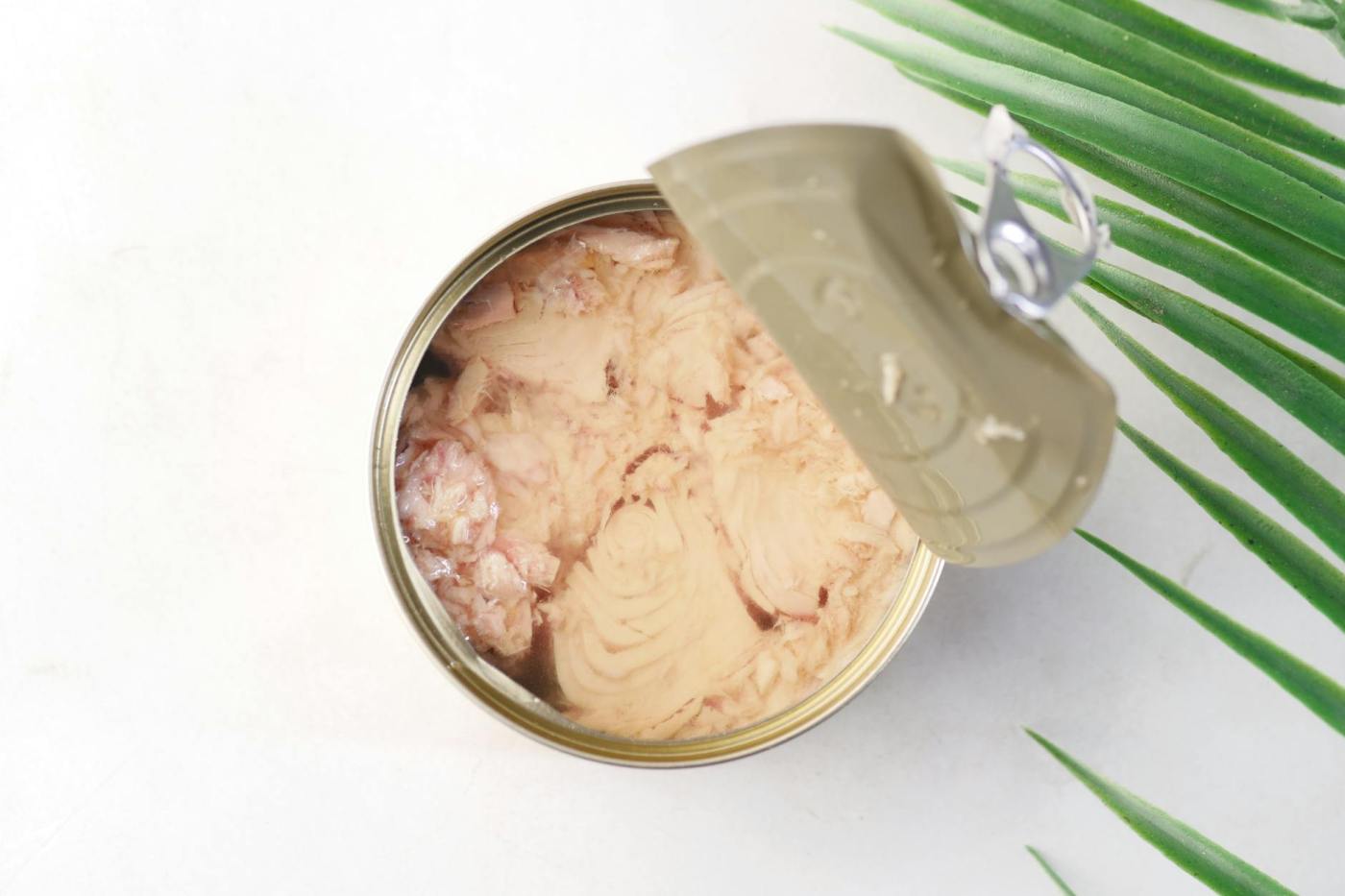
When it comes to facing trauma and the aftereffects of trauma, sometimes I just don’t wanna do it. I’d rather play a mindless computer game and focus on the tiny villagers I can move on the screen than think about the past. (Farthest Frontier, anyone?) Or, as good therapists say: process the past. Kind of like canning up tuna into little cute cans with bumblebees or other logos on the label. Smelly material, tiny round can. That tiny receptacle can be opened whenever you see fit.
You never want to open a can of tuna in the workplace. Or anywhere that others might be exposed to it – unless they are eating the same or similar. Well, enough with the metaphor here, you get it.
So, recently I was getting to know a few folks and talking to them about my career experiences. I typically gloss over a certain miserable time, especially if the listener is not a military veteran and not a cop. It’s not something a person shares in polite company. Cops and vets are typically long past polite company, so it’s generally a good rule.
But, for the life of me, I shared that time with these folks, anyway. It was like cooking filet of fish in the break room microwave. The facial expressions, though. Thankfully, my story was interrupted before I could share further. Everyone was relieved, including me.
Later, when “processing” I discovered that there is an unflattering name for this sharing, when taken to the extreme. It’s called “trauma dumping” and it occurs when you share something particularly atrocious that happened to you with people who weren’t ready or who didn’t ask to hear your story. The very name of the communication is demeaning, because ‘dumping’ something is unpleasant and impolite. And yet, I wanted to share an event that shaped my outlook. Shaped my attitude. Made me a little cynical, a little less energetic, and a little more compassionate to others who experience tragedy. So, I shared. Granted, I did not share anything graphic, and I was sharing it in context. I answered some questions from one curious listener. But the body language from the rest of the group was stiff and awkward.
And it has bothered me since. Why would I share with people I barely knew? Was it a sign I’m unwell or otherwise not coping? Why would I trauma dump on someone’s new shoes with no warning? Did I overestimate the capabilities of the group?
I don’t necessarily know the answer to that question, but there’s one thing I do know and was reminded of during the storytelling.
You can tell a lot about a person by how they react to your stories.
You can tell a lot about people by how they label things, how they teach you not to speak, how they avoid truth, and how they avoid pain. You can also tell who might be overwhelmed by your story.
While typing this, I’m thinking of an army vet I had a conversation with back in the summer. Rather than look at me cross-eyed when I shared my experience, he patted my arm and told me I could talk to him about it any time. He was there, he would listen, and it was OK.
I am grateful for people like that young man. I’m sorry for what he went through, whatever it was, but I’m grateful all the same.
Meanwhile, I’m over here, processing away. This is a neverending exercise, books, conversations, nostalgia–learning to live in the new normal. I’ve got a book list for you, a variety of tomes that talk about trauma. Some I’ve finished, and some I’ve set aside for now. After all, I have a town of villagers to manage. I have a game accomplishment badge to achieve. I’m not broken. I’m not dumping anything. I’m just living.
 The Bear View
Leave a comment