Thoughts on Russian Literature

It’s amazing what meeting new people can spark in our thinking. Recently I met a group of folks who are “into” Russian literature. I put quotes around the word “into” because it’s unusual, but also unlikely that being into Russian literature means going all the way down the rabbit hole and swimming in the well of the Russian Soul. Whatever that means. But I digress.

Being into Russian Literature in the United States means knowing who Dostoevsky was and secretly admiring the person who says they read Crime and Punishment and that it became their favorite book. Or perhaps being into Russian Literature means reading Anna Karenina because Oprah recommended it.  Perhaps it means consuming Tolstoy and blinchiki in some rainy café in New York. Or drinking tea and nibbling ponchiki while reading Turgenev and thinking about Nihilism.

These are all well and good, and generally, unusual practices.

But being into Russian Literature might also mean reading Bulgakov or Gogol or maybe even understanding that Pushkin is much more highly regarded than almost any classic author in Russia, primarily because of his poetry. Americans, as a rule, don’t have any idea who Pushkin was or why his poems and short stories are remarkable and beloved by many native Russian speakers. Being into Russian Literature might include a survey of Silver Age poets and imagining what life might have been like, surrounded by poets like Blok, Mandelshtam, Tsvetayeva, and one of my personal favorites, Anna Akhmatova.

But, yet again, I digress.

As a result of my recent conversations with folks who are into Russian Literature, I’ve decided to pick up Nikolai Vasilyevich Gogol’s book Dead Souls. I recall discussing this book in undergrad and maybe I Cliffs-noted it.

 I don’t recall, actually. I admit now, somewhat abashedly, that I skimmed over many books while in college that are considered groundbreaking and foundational to modern thinking. (Poetry was a different story. I read as much as I could.)

So, now that I am a grown up, I sent off to Amazon and ordered the  Richard Pevear and Larissa Volokhonsky  translation of Dead Souls. (*Note: Dead Souls has been translated into English at least eleven different times. Constance Garnett’s version is typically the most disseminated version. More on translation later.) Dead Souls is considered rather poetic, so what better way to reacquaint myself with the classics?

I also ordered the Russian language copy. I’m looking forward to diving into this reading / translation / critical assessment project. Why? Because I can. But also, in speaking with a person whose opinion I trust, I heard “Dead Souls is funny and sad, but extremely relevant to our modern times.” 

This was enough for me to jump “into” the book and back into Russian Literature.


Dead Souls, title page from 1842, from Wikipedia


Words of a Poet

“So, girl, put down your phone and pick up your pen. Take a piece of the dark and put it on a page. “

Laurie Uttich, from TO MY STUDENT WITH THE DIME-SIZED BRUISES ON THE BACK OF HER ARMS WHO’S STILL ON HER CELLPHONE

Pandemic Poem


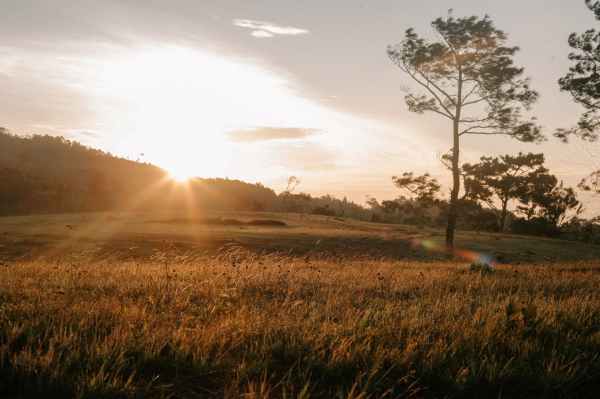
The wind is howling outside,
You can hear the treetops
respond,the window creak
and if you look
the world is in motion, swaying

Humanity and our days change
But nature is relatively constant
Now, green and verdant
Bursting past spring to a Northern California summer
like it has for thousands of years
before we settled here, along the river.

The birds and the grass don’t know
that we no longer congregate in groups
we no longer sit together in halls
or ball parks or concerts or theaters.
We no longer wander museums, scratching 
our heads at modern art
and we don’t ride the train or the subway or
the metro anymore

We haven’t gotten close enough to
someone strange
to sniff their hair
or to observe the color of their eyes and how the
rim around the light caramel brown is darker
and how there are chips of color
scattered on the iris

The squirrels, the geese, the fish don’t know
and they don’t hardly care
even if they could put a name on it.

But the wind still blows, pushing clouds
across a wide western sky.
The trees continue to lean and sway.
The river water continues its rushing journey.

They are older than us. Here before. Here after.
How small our discomfort is
when viewed against this backdrop.
A backdrop of sky and stars
clouds, wind, sun setting
where it always has.

How small we are.
How big everything else.
How big.

It will endure.

Teaching Nine Eleven

Yesterday the Russian Hockey team
took a dive bomb
and were pulled from the
wreckage, still
strapped in their seats,
waiting to see God.

Today, blue carpet and black
chairs point towards oversized
CNN Headlines:
“TEACHING 9/11.”

I’ve already scoped
the room for brown people,
identified two.
Headgear? Male? Female?
It’s a ritual now.

Ten years ago, almost,
waiting for United,
a turbaned stranger triggered
a facial tic.

I wasn’t the only one looking.

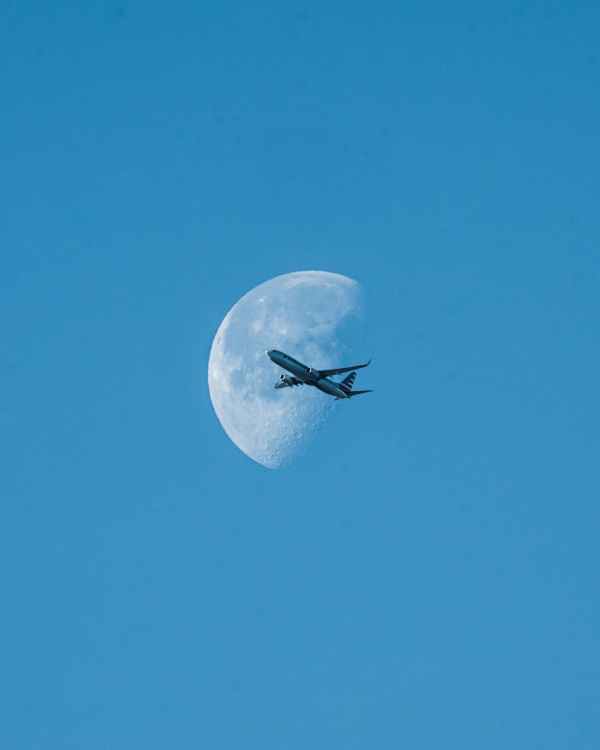
Today, the plane’s brakes screech and groan,
scratch the runway,
drown out my whispered prayers
and chanted mantras
to keep the tic from taking over.

Today, when landing, we tip
left to right, leaning sideways,
seatbelts straining to keep us in our seats.

We wait for God,
murmur sighs and gasps of relief
when God overlooks us,
this time.

There’s no need to teach Nine Eleven.

We’ve already learned.

Ursula Stuter
September 9, 2011


Website Powered by WordPress.com.

Up ↑